
Property Insurance

Body Corporate Insurance for Sectional Title Schemes

The Sectional Titles Schemes Management Act places specific, mandatory insurance obligations on every body corporate in South Africa. Getting this wrong does not just leave the scheme underinsured; it exposes individual trustees to personal liability. We advise bodies corporate on all four required cover types and ensure replacement values are correct.

FSP No. 5671  |  Independent since 1980  |  STSMA-compliant placements

4
Mandatory covers under the STSMA: buildings, public liability, fidelity guarantee and SASRIA special risks. Each has minimum requirements prescribed by law.
R10m
Minimum public liability limit prescribed by the STSMA for all sectional title schemes. Many trustees do not know this statutory minimum exists.
3yr
Maximum interval between formal replacement valuations required by PMR 23(3). Outdated valuations cause underinsurance, and underinsurance means partial claim payouts.
Insurance is not optional for a body corporate. It is a legal duty.

Section 3(1)(h) of the Sectional Titles Schemes Management Act requires every body corporate to insure all buildings in the scheme to their full replacement value. This is not a recommendation; it is a statutory obligation with personal consequences for trustees who fail to meet it.

The STSMA also prescribes the types of risks that must be covered, sets a minimum public liability limit, and requires a compulsory fidelity guarantee to protect against fraud by trustees, managing agents, or employees. A body corporate that holds only building insurance, without the liability and fidelity components, is not compliant.

Managing agents often arrange the insurance on behalf of the body corporate, but the legal responsibility for ensuring adequate, compliant cover rests with the elected trustees, not the managing agent. If the insurance is wrong, the trustees are exposed.

Body corporate insurance for sectional title schemes in South Africa

Four covers every body corporate must carry

The STSMA does not give body corporates a choice about whether to insure. It specifies what must be covered. All four are compulsory.

01
Required by STSMA s3(1)(h)

Buildings insurance

The full replacement value of all buildings, common property structures, and shared infrastructure. Prescribed risks include fire, extreme weather, civil unrest, explosion, and certain water damage events. Must be insured to full replacement value, not market value, not book value.

  • All unit structures including walls, roofs, floors
  • Common property: lifts, pools, parking, gates, fencing
  • Landlord fixtures and fittings
  • Shared services infrastructure
02
Required: minimum R10m

Public liability insurance

Covers the body corporate's legal liability for bodily injury or property damage occurring on or in connection with the common property. The STSMA prescribes a minimum limit of R10 million in any one claim and in aggregate for any policy period.

  • Visitor injury on common property
  • Resident injury in common areas
  • Contractor injury on shared infrastructure
  • Third-party property damage from scheme operations
03
Compulsory under PMR 23(7)

Fidelity guarantee insurance

Protects scheme funds against theft or fraud committed by a trustee, managing agent, employee, or other agent of the body corporate. The minimum cover required is the total of the scheme's investments and reserves plus 25% of the operational budget for the current financial year.

  • Theft of levy funds by trustees or managing agent
  • Fraudulent transactions by authorised signatories
  • Misappropriation of maintenance reserve funds
  • Covers all insurable persons in one policy
04
Riot & civil commotion

SASRIA special-risks cover

Damage from riot, strike, public disorder, civil commotion and terrorism is excluded from the standard buildings policy and placed separately through SASRIA, the state special-risks insurer. Schemes must carry it, and it is added to the buildings schedule for a small premium.

  • Riot and public disorder damage
  • Strike and labour-unrest damage
  • Civil commotion and malicious damage
  • Inexpensive, added to the buildings cover
Trustee liability

Trustees can be personally sued for inadequate insurance

Serving as a trustee in a sectional title scheme is a voluntary position, but it carries real legal responsibility. The obligation to ensure the scheme is properly insured rests with the trustees, not the managing agent, not the managing agent’s insurer, and not the developer. If the scheme is underinsured, uninsured, or missing a required cover type, and a loss occurs, the trustees may be held personally liable for the gap.

This exposure is compounded by the fact that many trustees are also unit owners in the scheme. A large, uninsured loss can affect the value of every unit in the complex and result in special levies or legal proceedings that affect every owner personally.

Inadequate building cover

Proportional payout risk

If the insured replacement value is lower than the actual cost to rebuild, the insurer pays a proportional share of any claim. The scheme absorbs the rest. Trustees who approved the undervalued cover may be personally liable for the shortfall.

Missing liability cover

Uninsured liability claims

A visitor seriously injured on common property can sue the body corporate. If the body corporate carries no liability insurance or an inadequate limit, the claim is paid from scheme funds or levied back to unit owners. Trustees who failed to maintain the required cover are exposed.

No fidelity guarantee

Fraud losses fall on owners

If a managing agent or trustee misappropriates levy funds and there is no fidelity guarantee in place, the loss falls on the scheme. Replacing those funds requires special levies from all unit owners. Trustees who neglected to arrange the compulsory fidelity cover face personal liability.

The fix is straightforward: Ensure all four mandatory cover types are in place, at the correct limits, with replacement valuations that are current. We review body corporate insurance portfolios and identify gaps before they become claims.

Outdated replacement values are one of the most common causes of underinsurance

Building costs in South Africa have risen significantly in recent years. A replacement valuation done five years ago bears little resemblance to what it would cost to rebuild the same structure today. PMR 23(3) requires a formal replacement valuation at least every three years, presented to the annual general meeting. Many schemes do not comply.

How underinsurance works at claim time

The principle of average

If the insured replacement value is less than the true replacement value at the time of a claim, the insurer applies the principle of average. The claim is paid in proportion: if the building is insured for 70% of its actual value, the insurer pays 70% of the claim. The scheme absorbs the remaining 30%, regardless of whether the loss is partial or total.

A fire that causes R2 million in damage to a building insured at 70% of its true value results in a payout of R1.4 million. The remaining R600,000 comes from scheme funds or owner levies.

What a compliant valuation covers

Full rebuild cost assessment

A formal replacement valuation assesses the cost of rebuilding the entire scheme at current construction rates, not the market value, and not the municipal valuation. It accounts for materials, labour, professional fees, demolition costs, and any improvements made since the last valuation.

The valuation must be conducted by a suitably qualified quantity surveyor or assessor and formally presented to the scheme's AGM. We review whether your scheme's current valuation is compliant and advise on the appropriate sum insured.

Individual owner responsibilities

What the body corporate's insurance does not cover

The body corporate insures the buildings and common property. Individual unit owners are responsible for their own contents and improvements. Understanding the boundary prevents expensive disputes at claim time.

Owner's responsibility

Home contents

Furniture, electronics, clothing, appliances, and all personal belongings inside the unit. The body corporate policy does not cover the contents of individual units.

Owner's responsibility

Owner improvements

Renovations, upgrades, and improvements made by an individual owner (upgraded kitchen fittings, custom flooring, added partitions, or extended patios) are not covered by the body corporate's building policy.

Owner's responsibility

Non-permanent fittings

Curtains, blinds, loose floor coverings, and non-fixed appliances such as washing machines, tumble dryers, and freestanding refrigerators are not covered by the sectional title policy.

Owner's responsibility

Non-fixed appliances

Air conditioners that are not permanently mounted, microwave ovens, and other appliances that can be removed without damage to the structure are outside the scope of body corporate cover.

Owner's responsibility

Owner liability

If an owner's negligence causes injury or damage (a leaking geyser that floods a neighbour's unit, or an injury caused by an owner's unsecured dog) the owner's personal liability is not covered by the body corporate policy.

BC policy covers

Buildings and common property

The physical structure of all units and common areas, permanent fixtures and fittings, shared infrastructure, and common property. Insured to full replacement value against prescribed risks.

Extensions worth adding to your scheme

The compulsory covers are the floor, not the ceiling. We see each body corporate individually, attend AGMs on request, and offer extension products built for sectional title schemes.

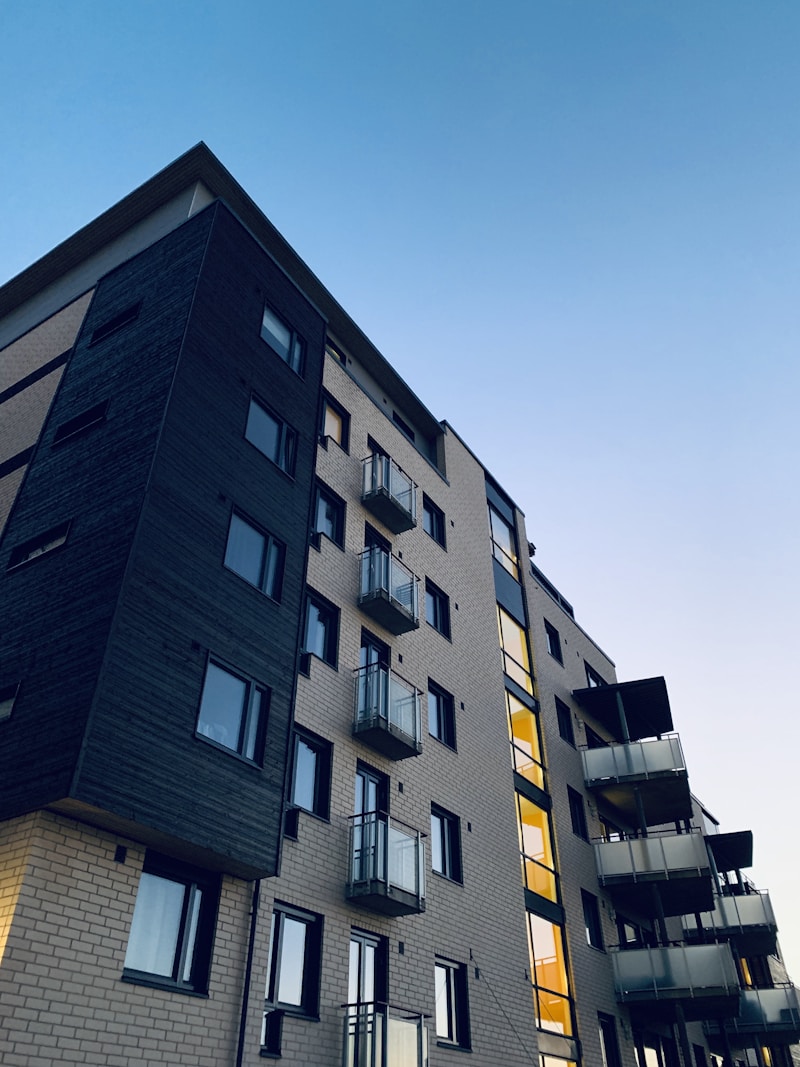
Apartment complex exterior, body corporate insurance for sectional title schemes South Africa
Loss of rent / occupation

Income and accommodation cover

Keeps levy income or owner accommodation covered while units are uninhabitable after an insured event, so a major loss does not also become a cash-flow crisis for the scheme.

Higher liability limits

Increased public liability

The R10 million statutory minimum is often too low for a larger or higher-traffic scheme. We set the limit to the scheme's real exposure rather than the legal floor.

Managed extension

Geyser maintenance

A common, recurring claim handled as a managed extension, so a burst geyser is repaired quickly instead of turning into an emergency and a dispute.

Per unit

Graham Silva Assist

Emergency assistance for every unit in the scheme: plumbing, electrical, locksmith and related call-outs, included as a per-unit benefit.

Body corporate insurance requires more than a standard commercial quote

The STSMA prescribes what must be covered but does not prescribe which insurer or what policy wording. Getting a compliant, adequate placement takes someone who understands both the legislation and the underwriting market.

STSMA compliance review

We verify that all four mandatory cover types are in place at the correct limits, and that the policy wording covers the prescribed risks. A policy that does not meet the STSMA minimum is a liability for every trustee.

Replacement valuation guidance

We advise on when a formal valuation is due, what it must cover, and how to present it to the AGM. We also flag when current sum insured figures are materially inconsistent with current building costs.

Fidelity guarantee structure

We calculate the minimum required fidelity cover based on the scheme's current financial position and ensure the policy meets the statutory minimum. Many schemes either have no fidelity cover or have limits that are too low.

Claims management

Building damage claims in a sectional title context involve the body corporate, the insurer, and individual unit owners. We manage the process, coordinate with the loss adjuster, and ensure the claim is handled correctly for all parties.

We attend your AGM

We see each body corporate individually and present the cover and the replacement valuation in person whenever the trustees ask. Personalised service, not a templated renewal.

FAQs

Common questions about body corporate insurance

Failure to maintain the required insurance is a breach of the STSMA. If a loss occurs and the scheme is uninsured or underinsured, the body corporate must pay the repair or replacement cost from its own funds, which means a special levy on all unit owners. Trustees who failed to ensure adequate cover in place may be held personally liable for the resulting loss. The CSOS (Community Schemes Ombud Service) can also investigate and rule against a body corporate for non-compliance with statutory obligations.

The body corporate's building insurance covers the structural elements of the units: walls, roof, floors, and permanently installed fixtures. It does not cover the contents of individual units, personal belongings, owner-installed improvements, curtains, blinds, loose floor coverings, or non-fixed appliances. Unit owners need their own home contents insurance to cover these items. If an owner has made improvements to their unit (upgraded kitchen fittings, an extended patio, or a built-in braai area) those improvements should also be separately insured or declared to the body corporate for inclusion.

PMR 23(3) requires a formal replacement valuation at least every three years. The valuation must be presented to the annual general meeting and used to set the insured sum. Many insurance brokers and advisers recommend annual reviews of the sum insured, not necessarily a full formal valuation each year, but a check that the current figure is consistent with known building cost movements. With construction costs having risen significantly, a valuation done more than two years ago is likely to be materially out of date.

The STSMA prescribes a minimum public liability limit of R10 million in any one claim and in total for any one period of insurance. This minimum exists because injury claims on common property can be significant: a serious fall, a swimming pool incident, or damage caused by a falling tree can generate claims well in excess of what smaller schemes might intuitively choose. Many schemes with older policies carry limits well below R10 million and are non-compliant without knowing it.

Yes. PMR 23(7) makes fidelity guarantee insurance compulsory for all community schemes. The minimum cover required is the total value of the scheme's investments and reserves at the end of the last financial year, plus 25% of the operational budget for the current financial year. Despite this, many body corporates either do not carry fidelity insurance at all, or carry limits that are too low relative to the statutory minimum. Given the documented rise in managing agent and trustee fraud cases, this is an exposure that cannot be ignored.

The legal responsibility for ensuring the scheme is correctly insured rests with the elected trustees. A managing agent typically arranges the insurance on behalf of the body corporate and may recommend a broker, but the trustees are the ones who approve the cover and are accountable to unit owners and to the CSOS for compliance. Delegating the task to a managing agent does not transfer the legal responsibility. Trustees who accept a renewal without verifying compliance against the STSMA requirements remain personally exposed if the cover is inadequate.

Get your body corporate insurance properly structured

Whether you are a trustee reviewing your current cover, a managing agent looking for a specialist broker, or a new scheme setting up for the first time, we handle the compliance review and the placement. Get in touch and we will advise on what the STSMA requires and where your current cover may fall short.

Insurers we work with

HollardiTOOCamargueAC&Eart InsureCross CountryOld Mutual InsureKing Price